Junk Brothers: Recycling and Sustainability
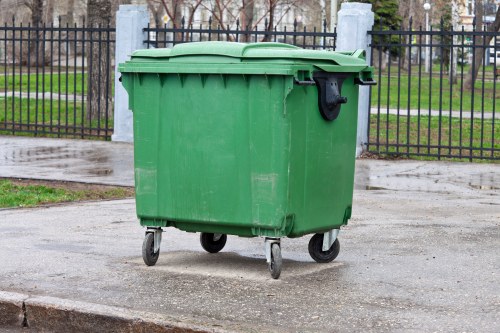 Junk Brothers is committed to a measurable and transparent sustainability program that turns junk removal into a resource recovery opportunity. Our target is to achieve a 70% recycling rate of all collected materials within three years — a bold but necessary goal to reduce landfill dependency and increase circular-economy outcomes. We publish progress reports and set interim quarterly targets so the community can see continuous improvement from JunkBrothers and partner organizations.
How we manage materials locally
We operate with a local-first philosophy, routing materials through nearby transfer stations and processing centers to minimize haul distances and emissions. By coordinating with municipal transfer stations like the Northside Transfer Station and the Riverside Transfer Hub (local facility names used illustratively), we ensure that paper, glass, metals and bulky items are sorted close to collection points and redirected to the right recycling streams. This approach helps boroughs align their waste separation rules with on-the-ground sorting efficiency.
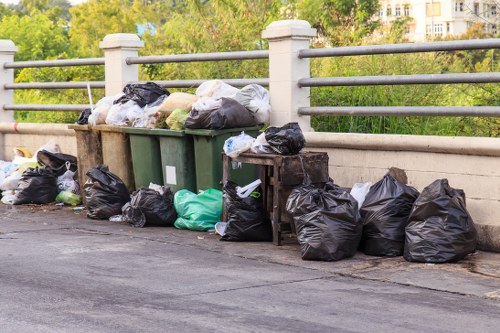 Our practical recycling activities include segregating electronic waste, salvaging scrap metal and wood for reuse, reclaiming textiles for charity sorting, and recovering construction materials. Typical borough approaches — such as kerbside separation of food waste and mixed recycling, and special collection for electricals and large furniture — are integrated into our workflows. Key material streams we handle include:
- Electronics (WEEE) — secure, data-sanitized recycling or refurbishment
- Metals and appliances — separated for smelting or reuse
- Wood and bulky items — diverted for reuse, chipping, or energy recovery where appropriate
We maintain formal relationships with local transfer stations and Material Recovery Facilities (MRFs), which shortens trucking routes and lowers community-level carbon output. By prioritizing nearby processing centers and scheduling optimized drop-offs, Junk Brothers sustainability practices reduce empty running and time spent in traffic. Our routing algorithms give preference to facilities that accept high rates of separated materials, fitting borough-level regulations for separation of paper, plastics, glass and organics.
Charitable partnerships and social value
Junk Brothers works closely with charities to ensure reusable items get a second life rather than being shredded or landfilled. We partner with local non-profits and social enterprises to:- Donate refurbishable furniture and household goods to community shelters
- Pass on working electronics to education and training programs
- Support textile re-use networks that resell or redistribute quality garments
These relationships add a social dimension to our environmental goals: every ton of items redirected to charity reduces disposal volumes and supports community wellbeing. Junk Brothers recycling is therefore both an environmental and social program.
Low-carbon vans and green logistics
Our fleet transition is a core part of our climate action. We operate a growing number of low-emission vehicles, including hybrid vans and fully electric trucks for inner-borough work. These low-carbon vans reduce operational emissions, especially within dense urban boroughs where stop-start driving and short hauls dominate. By deploying an eco-fleet, JunkBrothers reduces both air pollution and the carbon footprint of each removal job.In addition to vehicle upgrades, we apply practical measures such as load consolidation, route optimization, and scheduled multi-stop pickups to minimize mileage. Efficient logistics and partnerships with local transfer stations improve turnaround times and keep our emission profile as low as possible. We also track fleet emissions and energy use to evaluate progress toward our recycling percentage target and our corporate carbon reduction commitments.
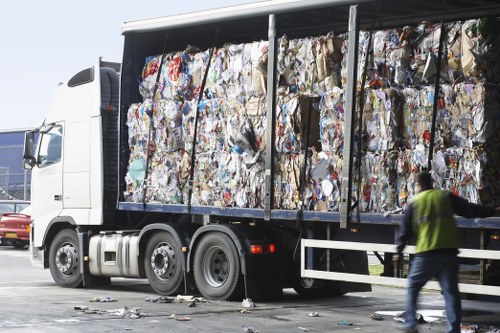 Our sustainability program is measured by clear metrics: diversion rate from landfill, percentage of material reused or refurbished, greenhouse gas reductions from fleet improvements, and the volume of items passing through charity partners. We publish regular summaries of these indicators to demonstrate accountability. As Junk Brothers sustainability efforts grow, we continue to integrate borough-specific separation rules — for example, ensuring that food waste streams remain uncontaminated and that electronic waste follows hazardous waste protocols — so that local authorities and residents see real benefits.
Commitments and next steps: Junk Brothers will keep investing in its green fleet, expanding charity partnerships, and deepening ties with local transfer stations and MRFs. We plan community education outreach about correct separation practices, focusing on the borough-level differences that affect material quality and recyclability. Our ambition is to be recognized as a leader in sustainable junk removal, balancing operational efficiency with environmental stewardship and social impact. Together with residents and partners, Junk Brothers will turn collected items into resources, not waste.
JunkBrothers remains dedicated to continuous improvement: setting higher recycling goals, increasing the percentage of reuse, and reducing carbon emissions year-on-year. By combining targeted diversion targets, strategic local partnerships, and an expanding low-carbon fleet, we deliver a truly sustainable approach to waste and resource management.