Pro techniques for removing bulky furniture safely
Bulky furniture looks harmless enough when it is tucked against a wall. Then moving day arrives, or you decide the old sofa has finally had its last spring, and suddenly the job feels far bigger than expected. That is where pro techniques for removing bulky furniture safely make a real difference. The right approach protects your walls, floors, back, and nerves - and, to be fair, all four can take a beating if you rush it.
This guide walks you through the safest, most practical way to remove heavy furniture from homes, flats, offices, lofts, and awkward spaces. You will learn how professionals plan the move, what tools actually help, which mistakes create risk, and when it makes more sense to use a specialist service such as furniture clearance or furniture disposal. If you are standing in a hallway wondering how on earth a wardrobe is going to turn that corner, you are in the right place.
Table of Contents
- Why safe furniture removal matters
- How the process works
- Key benefits and practical advantages
- Who this is for and when it makes sense
- Step-by-step guidance
- Expert tips for better results
- Common mistakes to avoid
- Tools, resources and recommendations
- Law, compliance, standards, or best practice
- Options, methods, and comparison table
- Case study or real-world example
- Practical checklist
- Conclusion
- Frequently asked questions
Why Pro techniques for removing bulky furniture safely Matters
Removing heavy furniture is not just a lifting job. It is a planning job, a space-management job, and, quite often, a patience test. Bulky items are awkward because they are usually larger than the route you want them to take. A bed frame catches on the banister. A wardrobe tilts at the wrong angle. A table suddenly feels heavier at the exact moment your grip weakens. Nice.
The safety side matters because the risks are easy to underestimate. Strained backs, crushed fingers, scraped shins, damaged plaster, broken glass, and torn flooring are all common when people try to "just get it done" without a plan. Even if the item is old and going to the skip or recycling route, the move itself still needs care.
There is also a practical reason. A careful removal is usually faster than a chaotic one. That sounds backwards, but it is true. When you measure the route, prepare the doors, and use the right grips, the furniture moves more smoothly. Less swearing, fewer pauses, fewer "wait, turn it back" moments. You will notice the difference immediately.
For larger clear-outs, this also connects to wider services like home clearance, house clearance, flat clearance, or even office clearance. When multiple bulky items are involved, a structured approach becomes less of a nicety and more of a necessity.
Expert summary: Safe furniture removal is mostly about preparation, route control, and teamwork. If the item is heavy, awkward, fragile, or valuable, do not rely on brute force. Use method, not muscle alone.
How Pro techniques for removing bulky furniture safely Works
Professionals do not start by lifting. They start by understanding the item and the route. That is the big shift. The process usually follows a simple logic:
- Assess the furniture size, weight, material, and weak points.
- Map the exit route from room to doorway to outside access.
- Remove anything that can reduce bulk, like drawers, cushions, shelves, legs, or doors.
- Protect surfaces and plan the grip points before moving anything.
- Use the right combination of lifting, tilting, sliding, carrying, or dismantling.
- Load and dispose of the item responsibly, ideally through a proper clearance or waste route.
That sounds straightforward, but the detail matters. A bulky sofa is not handled the same way as a marble-topped table. A wardrobe is not the same as a mattress. A chest of drawers with loose runners can shift suddenly, which is the sort of thing that makes people say "I had it under control" right before it slips.
In real terms, the best method depends on four things:
- Shape - can it be tilted, rotated, or split?
- Weight distribution - is the weight balanced or concentrated in one end?
- Access - are there stairs, tight turns, low ceilings, or narrow hallways?
- Finish - is it easily damaged, likely to snag, or likely to scratch walls and floors?
If the furniture is being removed as part of a bigger clear-out, services such as garage clearance or loft clearance may also be relevant because bulky items often live in the least convenient part of the property. Funny how that works.
Key Benefits and Practical Advantages
There is a reason professionals rely on process instead of guesswork. Safe removal offers more than injury prevention. It improves the whole job from start to finish.
- Less physical strain - You reduce the chance of back, shoulder, and wrist injuries by moving in controlled stages.
- Fewer property marks - Walls, doors, floors, banisters, and skirting boards stay in better shape.
- Better speed overall - Preparation cuts down on stops, resets, and awkward re-grips.
- Lower risk of item damage - Useful if the furniture is being sold, donated, or reused.
- Cleaner disposal route - It becomes easier to separate reusable items from waste.
- Less stress - Not a small thing, especially if you are dealing with a deadline, a tenancy handover, or a family clear-out.
There is also a sustainability angle. Furniture that is handled carefully is more likely to be reused, recycled, or sorted correctly. That can matter when you want to avoid sending everything straight to general waste. For people thinking about responsible disposal, it is worth reviewing a company's recycling and sustainability approach before booking.
And if you want reassurance around the way items are handled on site, pages like health and safety policy and insurance and safety are worth reading on any provider's site. Not glamorous, but genuinely useful.
Who This Is For and When It Makes Sense
This kind of approach is useful for anyone dealing with furniture that is heavy, oversized, or simply awkward. But a few situations stand out.
- Homeowners replacing sofas, beds, wardrobes, or dining sets.
- Tenants clearing a flat before move-out day.
- Landlords handling end-of-tenancy furniture left behind.
- Office managers removing desks, cabinets, filing units, or reception furniture.
- Families clearing a property after a long period of accumulation.
- DIY renovators making space for new fittings or layout changes.
It also makes sense when the furniture is not just bulky, but awkward in context. A sofa on the ground floor is one thing. The same sofa in a top-floor flat with a narrow stairwell is a different story. One is a task. The other is a small tactical exercise.
If you are handling a whole property rather than one item, broader services such as house clearance or home clearance can be a better fit than trying to move one oversized item at a time. The same goes for workplaces where old storage units or seating need removing in batches; business waste removal may be the more efficient route.
Step-by-Step Guidance
Here is a practical, pro-style method that works for most bulky furniture removals. Take your time with the setup. That is where the safety comes from.
1. Measure the item and the route
Measure the height, width, and depth of the furniture, then measure doorways, stair widths, corners, and lifts if relevant. Do not assume it will "probably fit". That is how people end up halfway through a doorway with no comfortable way back.
2. Clear the path completely
Move lamps, shoes, boxes, rugs, pet bowls, and anything else that could trip you. Open doors fully. If the route includes a public hallway or shared building access, make sure you are not blocking neighbours or creating a hazard. In flats, this matters more than most people expect.
3. Protect the surroundings
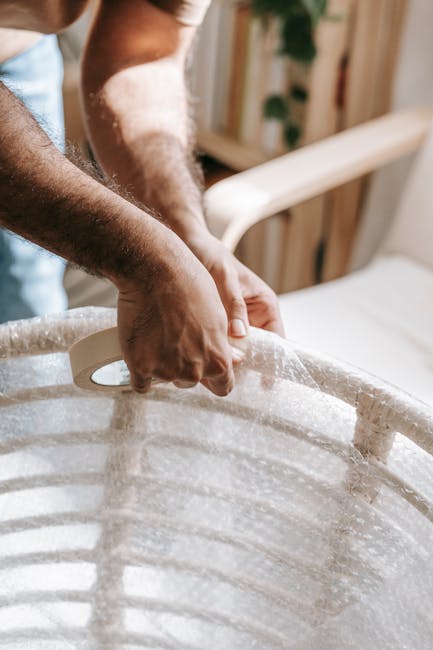
Use blankets, cardboard, or protective covers on corners and floors where the item is likely to brush past. If you are moving a polished wardrobe or a heavy cabinet, the finish can scrape easily. A ten-second bump against a wall can leave a mark that you will be staring at for months. Not ideal.
4. Remove detachable parts
Take out drawers, cushions, shelves, legs, glass panels, and any loose fittings. This reduces weight and helps the item sit more stably when tilted or carried. Keep screws and fittings in a labelled bag if the item is being reused or sold.
5. Decide whether to dismantle
Some items are safer in sections than as a single piece. Flat-pack wardrobes, modular sofas, bed frames, and certain desks usually come apart with basic tools. If dismantling is sensible, do it in the room where the item stands rather than trying to wrestle it through the house intact.
6. Use the right grip and lift method
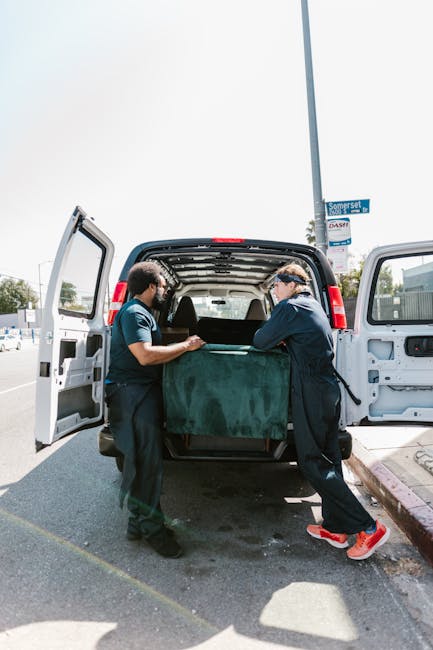
Keep the load close to the body. Bend at the knees, not the waist. Lift smoothly, not with a sudden heave. If two people are carrying, agree who will lead, where you will pause, and how you will communicate at corners or stairs. A simple "stop" or "ready" makes a surprising difference.
7. Move slowly through tight spaces
On stairs or bends, angle the item before you reach the pinch point. Small adjustments early are better than dramatic corrections halfway through. If the piece starts to drift or twist, stop. Reset. Breathe. Then continue.
8. Load or place the item safely
Once the furniture is out, do not drop it. Lower it under control. If it is being loaded for disposal, stack it in a way that will not topple or crack other materials. If it is going for reuse, keep it dry and protected.
If the item is too large, too heavy, or too awkward to manage safely, it may be better to arrange a professional furniture collection rather than forcing it. That is not giving up. That is judgement.
Expert Tips for Better Results
These are the sorts of small decisions that make the job feel smoother. Not dramatic. Just smart.
- Work from the lightest removable parts first. It helps reduce weight before the main move.
- Use gloves with grip. They improve control and reduce the chance of scraping your hands on rough edges or hidden staples.
- Keep one person focused on the route. The carrier should not also be the person guessing whether the corner is clear.
- Plan the turn before you reach it. Most damage happens in the last 10 percent of the route.
- Protect door frames early. If you know the item is wide, cover the edges before the lift starts.
- Take breaks if you need them. Fatigue makes furniture feel heavier and reactions slower. Simple, but true.
One practical trick that often helps: rotate the item slightly before moving, so the narrowest side faces the tightest part of the route. It sounds obvious written down. In the moment, not so obvious.
If the removal is part of a bigger clean-up, it can be worth pairing the job with another service area, such as office clearance for workplace furniture or furniture clearance for mixed household items. That way, you avoid handling the same space twice.
Common Mistakes to Avoid
Most accidents during furniture removal come from impatience or bad assumptions. Here are the ones seen most often.
- Trying to lift without measuring. If the item will not clear the route, lifting harder will not change physics. Annoying, but there it is.
- Leaving drawers or shelves inside. This makes the item unstable and heavier than it needs to be.
- Using too many people without coordination. More hands can create more confusion if nobody is leading the move.
- Dragging furniture across floors. It may feel easier, but it can damage flooring and weaken the item.
- Forgetting hidden hazards. Glass, sharp staples, split timber, and loose fittings can catch you off guard.
- Ignoring shared-access risks. In flats and apartment blocks, hallways and stairwells are not private working space.
- Rushing the final turn. This is where walls lose. Often.
There is also the classic mistake of assuming "it has moved before, so it will move again the same way". Furniture has a way of behaving differently once a corner is tight, a hinge is loose, or the weather has made a floor a bit more slippery. Truth be told, it is rarely the same twice.
Tools, Resources and Recommendations
You do not need a van full of specialist kit for every job, but a few tools make a huge difference.
| Tool or item | What it helps with | Best use case |
|---|---|---|
| Work gloves | Improved grip and hand protection | All bulky furniture moves |
| Furniture straps or lifting straps | Better load control and reduced arm strain | Heavy items carried by two people |
| Furniture sliders | Controlled movement across floors | Short moves on hard flooring |
| Blankets or corner protectors | Surface protection | Door frames, walls, and polished items |
| Basic hand tools | Dismantling legs, panels, or fittings | Wardrobes, beds, desks, modular units |
| Tape or labelled bags | Keeping fixings together | Items meant for reuse or reassembly |
For disposal and clear-out work, the most useful resource is often a company that can handle both the lifting and the final waste route properly. If you want a sense of how a provider works, the pages on pricing and quotes, payment and security, and about us can help you judge whether the service feels transparent and well-run.
And if you are clearing a property with mixed contents - furniture in the lounge, boxes in the loft, old bits in the garage, maybe a few outdoor items too - then combining furniture removal with garage clearance or garden clearance can save a lot of back-and-forth. Quite literally.
Law, Compliance, Standards, or Best Practice
For domestic furniture removal, the main concern is usually safe handling and responsible disposal. If waste is being taken away, it should be managed through a lawful, traceable route and not dumped casually. That is basic best practice and, frankly, the minimum anyone should expect.
In practical UK terms, it is wise to check that any clearance provider is insured and has clear health and safety procedures. If workers are entering your property or shared building, you want confidence that they know how to move items safely, protect surfaces, and handle disposal properly. That is one reason people look at pages such as health and safety policy and insurance and safety before booking.
For businesses, the expectations are even more layered. Office furniture, filing units, desks, and shelving may involve access management, building rules, and disposal processes that need a bit more care. In those cases, it helps to choose a provider familiar with business waste removal and compliant handling practices.
Best practice also means keeping people out of unnecessary danger. If a move needs lifting around stairs, tight corridors, or awkward communal entrances, the safer option is often to reduce the number of objects moved at once, dismantle where sensible, and use the right equipment. No drama. Just proper work.
Options, Methods, and Comparison Table
There is no single correct method for every bulky item. The best choice depends on the furniture, the access, and the level of risk you are comfortable handling.
| Method | Best for | Pros | Limitations |
|---|---|---|---|
| Manual carry | Moderately heavy items with clear access | Simple, low-cost, quick for short distances | Higher strain, not ideal for stairs or tight turns |
| Dismantling first | Wardrobes, bed frames, desks, modular units | Easier to move, safer through narrow routes | Needs tools and time, some items cannot be reassembled easily |
| Sliding or gliding | Heavy items on hard floors | Reduces lifting, smoother movement | Can still damage floors if done carelessly |
| Two-person lift with straps | Large sofas, cabinets, tables | Better control, less arm load | Requires coordination and clear communication |
| Professional removal service | Multiple bulky items, difficult access, time-sensitive clear-outs | Safer, faster, less stress, disposal included | Costs more than doing it yourself |
For many readers, the real decision is not which method is theoretically best. It is which method is safest for this specific item, in this specific property, today. That little bit of realism saves a lot of trouble.
Case Study or Real-World Example
Picture a typical first-floor flat in a Victorian conversion. A three-seater sofa needs to come out, along with a heavy chest of drawers and a bed frame. The hallway is narrow, the turn at the top of the stairs is tight, and the front door opens into a shared entrance. Not unusual at all.
A rushed DIY attempt might start with two people lifting the sofa straight away. Five minutes later, someone is twisting at the waist, the sofa arm catches the banister, and everyone pauses in silence because the angle has become impossible. That is where damage starts.
A pro-style approach is calmer. First the drawers are removed. Then the bed frame is dismantled. The route is cleared. Floor protection goes down. The sofa is tilted to its narrowest profile, and one person leads while the other follows the lower end, stopping at the turn before it becomes awkward. Slow. Controlled. Slightly dull, honestly. And that is exactly what you want.
Once out, the items are separated for suitable handling. If one piece is still usable, it can be kept aside. If not, it goes into the right clearance stream. The difference is that the job ends with the property intact and nobody limping around with a bad back. A small victory, but a real one.
Practical Checklist
Use this checklist before moving anything bulky. It keeps the job simple and safer.
- Measure the furniture and the exit route.
- Remove drawers, shelves, cushions, legs, and loose fittings.
- Clear hallways, stairs, and doorways fully.
- Protect corners, floors, and frames.
- Decide whether dismantling is safer than carrying intact.
- Check whether the item is too heavy or too awkward for DIY movement.
- Use gloves, lifting straps, or sliders where helpful.
- Agree clear communication if more than one person is involved.
- Move slowly around turns and stairs.
- Choose a disposal or clearance route before the item leaves the property.
If the checklist already feels like too much for the time you have, that is useful information in itself. It usually means professional help is the smarter option.
Conclusion
Removing bulky furniture safely is not about being fearless or especially strong. It is about being methodical, paying attention to the route, and respecting the awkwardness of large items. That may sound a bit unglamorous, but it works. And it saves people from the sort of mistakes they only make once.
Whether you are clearing one sofa, replacing an office desk, or emptying an entire room, the best results come from proper preparation, the right tools, and a realistic sense of when to stop and get help. If the job involves stairs, tight access, fragile finishes, or several heavy items at once, a professional clearance route is often the safest and cleanest choice. There is no prize for wrestling a wardrobe into submission in a narrow hallway at 7pm on a wet Tuesday. None at all.
Get a free quote today and see how much you can save.
For many people, the relief is not just in getting the furniture out. It is in knowing the space is clear, the job is done properly, and the next step feels manageable. That is a good feeling, and a proper one too.
Frequently Asked Questions
What is the safest way to remove bulky furniture from a house?
The safest method is to measure the route first, remove detachable parts, protect surfaces, and use controlled lifting or dismantling. If the item is especially awkward, professional help is usually safer than forcing it through a tight space.
Do I need to dismantle bulky furniture before moving it?
Not always, but dismantling is often the better option for wardrobes, bed frames, and modular items. If taking it apart reduces bulk and improves control, it usually makes the move safer and easier.
How many people should lift a heavy sofa or wardrobe?
For most bulky items, two people is the practical minimum. Very large or awkward pieces may need more coordination, but adding extra people only helps if everyone knows the plan and communicates clearly.
What should I use to protect floors and walls during furniture removal?
Blankets, cardboard, and corner protectors are usually enough for home jobs. The key is to protect the points where furniture is likely to scrape, bump, or twist as it passes through.
When is it better to book furniture clearance instead of moving it myself?
If the furniture is too heavy, the access is difficult, or you have multiple bulky items to remove, a dedicated furniture clearance service is often the safer and quicker option.
Can bulky furniture be recycled or reused?
Often, yes. If the item is still in usable condition, it may be suitable for reuse. If not, parts of it may still be recyclable depending on the material and condition. A responsible disposal route helps with both outcomes.
What are the biggest mistakes people make when moving heavy furniture?
The biggest mistakes are not measuring the route, leaving loose parts inside, lifting too quickly, and trying to force the item around corners. Most damage happens when people rush the last stage.
Is moving furniture up or down stairs more dangerous?
Both can be risky, but stairs increase the chance of slips, loss of balance, and awkward twisting. Careful planning, clear communication, and slower movement matter more on stairs than anywhere else.
Do I need special equipment to move bulky furniture safely?
Not always, but basic tools like gloves, straps, sliders, and protective covers can make a big difference. For very heavy or awkward items, the right equipment can reduce strain and improve control.
How do I know if a furniture item is too heavy for DIY removal?
If the item cannot be lifted comfortably by two adults, if it twists when lifted, or if it will not fit through the route without excessive force, it is probably too much for a DIY move. Trust that instinct; it is usually right.
Can I combine bulky furniture removal with other clear-outs?
Yes, and it often makes practical sense. People commonly combine it with house clearance, home clearance, or even garage clearance when several areas need attention at once.
What should I ask a clearance company before booking?
Ask about insurance, safety procedures, disposal handling, and what is included in the service. It is also sensible to look at their pricing and quotes information so you understand the likely scope before booking.