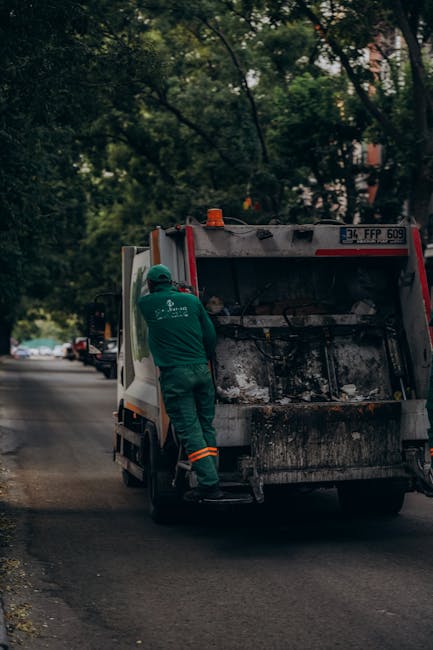
DIY rubbish removal vs hiring pros: when to call experts
If you are staring at a pile of unwanted stuff in the hallway, the garden, or the garage, the decision can feel oddly bigger than it should. Do you hire a van, rope in a mate, and do it yourself? Or do you call in professionals and get the lot gone without the hassle? In the real world, DIY rubbish removal vs hiring pros: when to call experts is usually about more than price. It is about time, safety, access, waste type, and how much stress you want to carry on the day. This guide walks through the practical differences, the hidden risks, and the moments when expert help is the smarter move.
To be fair, rubbish removal rarely starts as a big project. It starts with one broken wardrobe, a few bags of renovation waste, or a loft that has been ignored for years. Then the pile grows. Suddenly you are dealing with dust, awkward lifting, council rules, and maybe a dodgy old fridge that is heavier than it looks. Let's make the decision simpler.
Contents
- Why DIY rubbish removal vs hiring pros: when to call experts matters
- How DIY rubbish removal vs hiring pros: when to call experts works
- Key benefits and practical advantages
- Who this is for and when it makes sense
- Step-by-step guidance
- Expert tips for better results
- Common mistakes to avoid
- Tools, resources and recommendations
- Law, compliance, standards, or best practice
- Options, methods, or comparison table
- Case study or real-world example
- Practical checklist
- Conclusion
- Frequently asked questions
Why DIY rubbish removal vs hiring pros: when to call experts matters
Most people think rubbish removal is a simple labour question. Load, drive, tip, done. In practice, it is a chain of small decisions, and each one can change the cost, the time, and the risk. The wrong choice can mean multiple car journeys, a bent back, a missed collection, or waste that should never have been mixed together in the first place.
That is why this topic matters. The difference between a tidy, manageable clear-out and a miserable day usually comes down to scale and complexity. A few black bags of general clutter? DIY might be perfectly sensible. Heavy furniture, builders' rubble, contaminated waste, or a full house clearance? That is where professional waste removal begins to earn its keep.
There is also the question of disposal standards. Not all rubbish is created equal. Mattresses, fridges, paint tins, plasterboard, old office equipment, garden cuttings, and mixed construction waste can all need different handling. If you try to solve everything with one van load and a hopeful attitude, things can get messy very quickly. Sometimes literally.
If your clear-out is part of a bigger job, such as a renovation or property move, it can also help to look at services designed for specific situations. For example, builders waste clearance is far more suitable than a general weekend tip run when you are left with broken tiles, timber offcuts, and plasterboard dust after a room refit. Likewise, a whole-property clean-up may be better handled through house clearance or home clearance rather than trying to piece it together yourself.
Expert summary: if the job is small, light, and predictable, DIY can work well. If the waste is heavy, mixed, urgent, or potentially regulated, hiring pros is usually the safer and more efficient path.
How DIY rubbish removal vs hiring pros: when to call experts works
DIY rubbish removal is exactly what it sounds like: you sort, bag, lift, transport, and dispose of your own waste. That might mean using a personal vehicle, hiring a van, borrowing a trailer, or making multiple trips to a reuse centre or disposal site. It can work nicely for light household clutter, old boxes, or a small garage tidy. The catch? You are responsible for sorting, loading, driving, and understanding where the waste actually needs to go.
Hiring professionals changes the dynamic. Instead of you doing every stage, a team comes prepared to assess the load, remove the items safely, and handle disposal routes more efficiently. That can include lifting bulky items from awkward spaces, loading heavier materials, and dealing with mixed waste in a way that is much less stressful for the property owner. If you have ever carried a sofa down a narrow staircase on a wet Tuesday evening, you already know the appeal.
In many cases, the process also becomes more straightforward when the waste is tied to a specific setting. A cluttered loft may call for loft clearance. A packed garage often becomes easier with garage clearance. Office furniture and documents usually need a different approach, which is where office clearance and business waste removal can be more appropriate.
The key difference is control. DIY gives you full control over pace and cost, but it also puts all the effort on your shoulders. Professionals reduce the burden and risk, but you pay for convenience, expertise, and speed. There is no single right answer. There is only the right answer for your situation.
Key Benefits and Practical Advantages
The biggest advantage of DIY rubbish removal is obvious: lower immediate spend. If you already have a vehicle, a free afternoon, and a small amount of non-hazardous waste, you may save money by handling it yourself. There is also a certain satisfaction in finishing the job with your own hands. Honestly, the tidy floor at the end can feel brilliant.
But hiring professionals brings benefits that are easy to overlook until you need them:
- Time savings: a job that would take you all day may be completed in a much shorter window.
- Safer lifting: bulky, sharp, or awkward items are removed with less risk of injury or damage.
- Less mess: no van boot full of debris, no muddy driveway, no repeated loading and unloading.
- Better handling of mixed waste: professionals can separate different waste streams more effectively.
- Reduced stress: you do not need to organise transport, disposal, or multiple site visits.
There is another advantage people forget: mental bandwidth. A clear-out often happens during a move, bereavement, refurbishment, business transition, or property sale. In those moments, decision fatigue is real. Offloading the physical job can help you focus on the bigger picture.
Specialist services can also be more efficient than a general DIY approach when you are dealing with a single category of item. Old sofas, wardrobes, beds, and similar bulky items may be better handled through furniture disposal or furniture clearance. If your waste is mostly outdoor debris, garden clearance can save a lot of time compared with filling countless bags yourself.
Sometimes the real cost of doing it yourself is not money. It is the whole Saturday, the sore shoulders, and a second trip you did not expect.
Who This Is For and When It Makes Sense
This decision matters to different people for different reasons. A homeowner doing a spring clean has a very different problem from a landlord clearing a flat, a shop owner replacing fixtures, or someone trying to empty a loft after years of storage.
DIY makes sense when:
- the rubbish is light, dry, and easy to sort
- you have a suitable vehicle and enough safe lifting capacity
- you only need one trip
- the waste is ordinary household clutter
- you have time to handle the process without rushing
Hiring pros makes more sense when:
- the load is bulky, heavy, or awkward
- there is demolition debris, soil, old plaster, or mixed renovation waste
- access is tight, such as upper floors or narrow staircases
- you are clearing a property in a deadline-driven situation
- you do not want to risk injury, property damage, or disposal mistakes
Some situations are simply too cumbersome for DIY. A full property clearance after a tenancy end, for example, often needs a more organised approach. In those cases, a service such as flat clearance or house clearance can take a lot of strain out of the process. If the property is large or the volume is unclear, professional help can save you from the classic mistake of underestimating the pile. We have all done that at least once.
Step-by-Step Guidance
Here is a practical way to decide, without overthinking it.
- Identify the waste type. Separate general clutter, furniture, garden waste, renovation debris, electrical items, and anything potentially hazardous.
- Estimate volume and weight. Ask yourself whether this is one car load, several bin bags, or a whole-room clear-out. Be honest. People are wildly optimistic about how much fits in a hatchback.
- Check access. Think about stairs, narrow halls, garden gates, parking, and whether large items need dismantling.
- Decide on disposal method. If you can safely transport it and dispose of it legally, DIY may be viable. If not, a professional service will usually be more efficient.
- Factor in time. Include sorting, lifting, loading, driving, waiting, and unloading. That is the hidden bit.
- Review risk. If lifting, dust, sharp edges, or unknown materials are involved, think twice before going solo.
- Get a quote if needed. If the job is larger than expected, check pricing and quotes so you can compare cost against the DIY time and effort.
One useful habit is to stage the waste before making the final decision. Put it in piles by room or category. By the time you have separated wood, metal, furniture, and bagged general waste, the answer often becomes obvious. If the pile looks tidy but heavy, call the experts. If it looks messy but light, DIY may still be practical.
Another good rule: if you are reaching for tools beyond a bin bag and gloves, slow down and reassess. That is often the point where the job has crossed into professional territory.
Expert Tips for Better Results
After you have seen enough clear-outs, a few patterns become very clear. The easiest jobs are always the ones that were sorted properly before anyone started lifting.
1. Sort before you haul. Mixed waste is heavier, harder to move, and more annoying to dispose of. Separate reusable items, clean wood, garden waste, furniture, and general rubbish where you can.
2. Break down what you safely can. Flat-pack furniture, cardboard, shelving, and some bed frames can be dismantled to save space. Do not overdo it, though. If the item fights back, stop.
3. Protect floors and doorways. Old blankets, cardboard sheets, and corner guards can prevent scuffs. It sounds fussy until you scrape a hallway wall and regret everything.
4. Keep a clear path. You want one route from the room to the exit, not a maze of half-moved stuff.
5. Do not guess with awkward waste. Fridges, paint, old chemicals, and some construction debris need more careful handling. If you are unsure, treat uncertainty as a warning sign.
For items that are mostly furniture and household contents, the right service can make a big difference. A single old sofa is not the same as an entire lounge set, and a pile of beds is not the same as a mixed loft. In those cases, furniture clearance or even a broader home clearance service can be the calmer option.
And a small note from experience: people often wait until the room is almost impassable before asking for help. You do not need to reach that stage. Really, you don't.
Common Mistakes to Avoid
The most common mistake is underestimating the physical effort. A waste pile looks lighter when it is sitting still. The minute you start lifting, it changes personality.
Another classic mistake is assuming every item can go in the same load. It cannot. Different waste types may need different treatment, especially if you are dealing with electrical appliances, treated wood, construction leftovers, or anything potentially hazardous. Mixing everything together can create disposal problems and extra cost.
People also get caught out by access. A bulky wardrobe might fit through the front door on paper, but not around the stair bend in real life. That is how a simple job becomes a two-person wrestling match with a squeaky hinge and a lot of swearing under your breath.
Other mistakes include:
- booking transport before measuring access
- forgetting to check how many trips will be needed
- ignoring the weight of wet garden waste or rubble
- leaving removal until the last minute
- trying to handle dangerous materials without proper knowledge
If the job is business-related, the stakes can be higher. Office moves, refurbishments, and stock room clear-outs often involve tight deadlines and records or equipment that need careful handling. A professional route can be much more sensible than trying to patch together a weekend DIY plan, especially when business continuity matters.
Tools, Resources and Recommendations
You do not need a warehouse of equipment for a small DIY clear-out, but the right basics make a real difference.
- Heavy-duty gloves: useful for sharp edges, splinters, and rough surfaces.
- Sturdy sacks or rubble bags: better than standard bin liners when the waste has any weight.
- Mask and dust protection: worthwhile for lofts, garages, and dusty clearances.
- Measuring tape: helpful if you need to check whether furniture will fit through exits.
- Trolley or sack truck: very useful for heavier items, provided the path is smooth enough.
- Basic tools: screwdriver, Allen keys, and a hammer for dismantling where safe and appropriate.
Before you start, it can also help to think about the broader type of clearance you are dealing with. A messy garage, for instance, often benefits from garage clearance rather than treating each item as a standalone problem. Similarly, after outdoor work, garden clearance may be the quickest path if there is a mix of cuttings, bags, old pots, and broken fencing.
If you prefer a less hands-on route, it is sensible to compare your situation against specialist services. For property contents, look at house clearance and flat clearance. For old sofas, beds, and tables, furniture disposal may suit you better than trying to cram everything into your own vehicle.
Law, Compliance, Standards, or Best Practice
Rubbish removal is not only a practical task; it is also a responsibility. In the UK, you are expected to make reasonable choices about where your waste goes and how it is handled. That does not mean you need to become an expert in every rule overnight, but it does mean you should avoid casual disposal habits.
Best practice is simple enough:
- use lawful disposal routes
- keep waste separated where practical
- do not dump items illegally or hand them to someone who cannot show proper handling
- be careful with electricals, sharp materials, and anything that could leak or contaminate
- when in doubt, choose a provider with clear safety and handling standards
For businesses, the bar is usually higher because waste handling can affect staff safety, premises access, and operational continuity. Offices, shops, and storage areas often need a more disciplined approach, which is why office clearance and business waste removal are commonly the cleaner choice.
It is also sensible to look at a provider's own approach to safety, security, and responsible handling. Pages such as health and safety policy, insurance and safety, payment and security, and recycling and sustainability can give you a feel for how seriously a company treats the job. That kind of reassurance matters, especially when the clearance is large or sensitive.
Options, Methods, or Comparison Table
Here is a straightforward comparison to help you judge which route fits your situation.
| Option | Best for | Advantages | Trade-offs |
|---|---|---|---|
| DIY rubbish removal | Light, small, predictable waste | Lower upfront spend, full control, flexible timing | More physical effort, transport hassle, more time, disposal risk |
| Hiring pros | Bulky, heavy, mixed, urgent, or awkward waste | Fast, safer, less stress, better handling of complex loads | Higher cost than doing it yourself |
| Hybrid approach | Medium-sized jobs where you can sort first | Can reduce costs while keeping the hard work minimal | Still requires planning and some lifting |
The hybrid option is often overlooked. You can sort, bag, and separate items yourself, then call in professionals for the lift and haul. That works well when you want a bit of control without taking on the whole job. It is a sensible middle ground, not a compromise.
Case Study or Real-World Example
Imagine a typical Saturday in a London terrace house. The loft has old suitcases, a broken chest of drawers, boxes of paper, and a few awkward bits of wood. The garden has a pile of cut branches, a rusty barbecue, and two cracked plant pots. Nothing seems outrageous on its own. But once the sorting starts, the space feels tighter, the dust becomes obvious, and every item needs a decision.
At first, DIY sounds fine. Then the narrow loft hatch slows everything down. Then the drawer unit will not fit around the landing turn without dismantling. Then the garden bags are heavier than expected because they are damp from a grey morning. By lunchtime, the "quick clear-out" has turned into a long, sweaty, stop-start job.
That is the point where calling experts makes sense. A professional team can remove the awkward items safely, complete the clearance in one visit, and leave the property ready for the next step. For a situation like this, a mix of loft clearance, garden clearance, and possibly waste removal is often much more practical than trying to do it all yourself.
And yes, the kettle often tastes better when the job is done by noon instead of dragging into the evening.
Practical Checklist
Use this checklist before deciding whether to DIY or call professionals.
- Have I identified the waste type clearly?
- Is anything heavy, sharp, dusty, or potentially hazardous?
- Do I have safe access, parking, and enough space to move items?
- Do I have the right vehicle and equipment?
- Will I need help lifting, and is that help actually available?
- Have I allowed enough time for sorting, loading, driving, and unloading?
- Could the job be better handled as a specialist clearance service?
- Would a quote save me time, stress, or repeat trips?
- Am I confident the disposal route is proper and lawful?
- Would I feel better handing the whole thing to a team and getting my weekend back?
If you answered "no" to several of those, that is probably your sign. Not a dramatic sign. Just a sensible one.
Conclusion
DIY rubbish removal can absolutely work for small, light, straightforward jobs. It gives you control and can keep costs down. But once the waste becomes bulky, mixed, heavy, time-sensitive, or awkward to access, hiring professionals usually becomes the smarter choice. The best decision is not the cheapest one on paper. It is the one that saves time, protects your back, and gets the job done properly.
In practical terms, if you are dealing with furniture, a loft full of clutter, garden debris, business waste, or a property that needs clearing fast, professional help often pays for itself in reduced stress alone. And if you are still unsure, compare the size of the job against the time you realistically have. That usually tells the truth.
Get a free quote today and see how much you can save.
Sometimes the smartest clear-out is the one that leaves you with a clear head as well as a clear space.
Frequently Asked Questions
Is DIY rubbish removal cheaper than hiring pros?
Usually, yes on upfront spend. But once you add vehicle hire, fuel, disposal fees, time, and the risk of repeat trips, the savings can shrink fast. For small waste loads, DIY can be economical. For larger or awkward jobs, professionals often become better value.
When should I call experts instead of doing it myself?
Call experts when the waste is heavy, bulky, mixed, hazardous, or hard to access. You should also consider professional help if the job is time-sensitive, emotionally draining, or likely to require more than one vehicle load.
What types of rubbish are best left to professionals?
Large furniture, builders' waste, office clearances, loft contents, old appliances, wet garden waste, and any material you are unsure about are all strong candidates for professional removal. If you are hesitating, that is often the clue.
Can I remove rubbish from my flat by myself?
Sometimes, yes. But flats often bring staircases, limited parking, neighbour considerations, and awkward carrying routes. If you are dealing with bulky items or a lot of bags, flat clearance may be much easier.
What is the biggest risk of DIY rubbish removal?
The biggest risk is usually a mix of injury, damage, and disposal mistakes. Heavy lifting can go wrong quickly, especially with items that are awkward rather than obviously heavy. Time pressure also makes people cut corners.
How do I know if waste is too heavy for me to move?
If you cannot lift it safely without twisting, straining, or losing balance, it is too heavy. If you need to carry it down stairs, around corners, or across uneven ground, treat the job with extra caution. Heavy is not just about weight; it is about shape and handling.
Do professionals handle furniture disposal as well?
Yes, and that is often one of the most useful reasons to hire them. Sofas, wardrobes, beds, and tables can be removed more efficiently through furniture disposal or furniture clearance, depending on the size of the job.
Is DIY rubbish removal suitable for garden waste?
It can be, if the waste is light and manageable. But damp cuttings, branches, soil, and broken outdoor items can become surprisingly heavy. For bigger jobs, garden clearance is often the easier route.
What should I check before hiring a rubbish removal company?
Look for clear pricing, proper safety practices, sensible communication, and an approach to responsible disposal. It also helps if the company explains its handling standards and customer protections clearly, such as through pages like health and safety policy and insurance and safety.
Can I combine DIY sorting with professional collection?
Yes, and it is often a very practical middle ground. You can separate items, bag lighter waste, and stage the load yourself, then bring in professionals for the lifting and removal. That approach can save money without turning the day into a marathon.
Is professional rubbish removal only for large jobs?
No. Sometimes a small job is worth outsourcing if it is awkward, time-sensitive, or physically difficult. A single sofa, for example, can be more trouble than a room full of lighter clutter.
What is the most sensible first step if I am unsure?
Sort the waste into rough categories, check access, and estimate weight honestly. If it still feels borderline, ask for a quote and compare that against the cost of doing it yourself. In many cases, that one comparison makes the answer obvious.