Common myths about council bulk waste collections busted
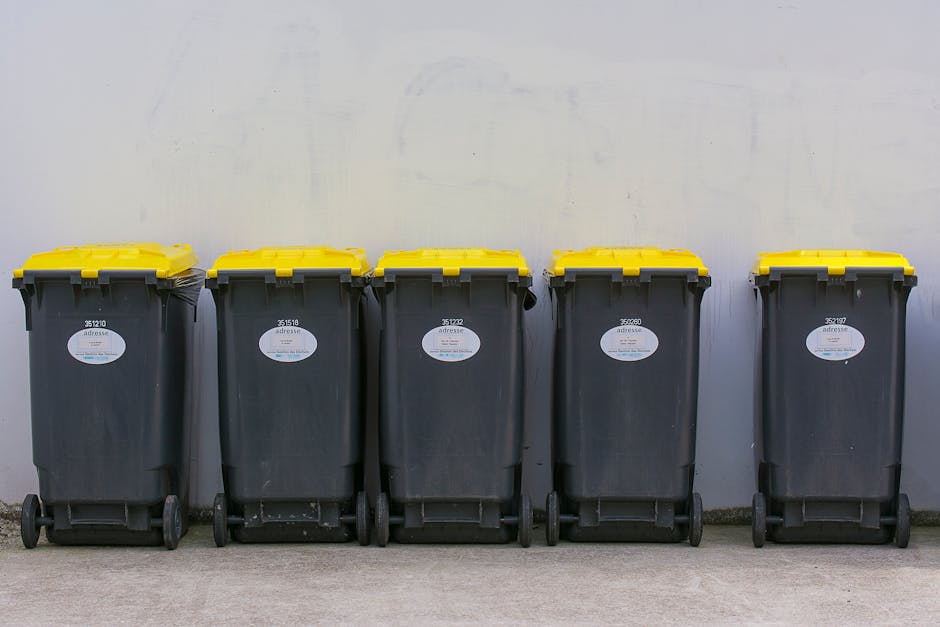
If you have ever stared at an old sofa, a broken wardrobe, or a pile of awkward garden clutter and thought, "The council will sort this, surely?", you are not alone. Council bulk waste collections can be helpful, but they are also wrapped in myths that lead to delays, missed bookings, unnecessary stress, and the odd surprise on collection day. In this guide, we're busting the most common myths about council bulk waste collections, so you know what is actually true, what depends on your local authority, and when another option may make more sense.
Let's face it: waste removal is rarely exciting. But getting it wrong can mean items sit in the hallway for another week, get rejected at the kerb, or become a bigger headache than they needed to be. That is why a clear, no-nonsense explanation matters.
Why common myths about council bulk waste collections busted matters
Bulk waste collections sound simple on paper. In reality, people often rely on hearsay: "The council takes anything large," "It's free if you leave it outside," or "You can just book it for tomorrow." Sometimes that kind of advice is harmless. Often it is not. It leads to overfilled pavements, rejected items, incorrect expectations about fees, and frustration when a bulky item still sits there three days later.
Understanding how council collections actually work helps you make a better decision fast. It also saves you from wasting time on items that may not be accepted, such as mattresses with contamination, hazardous materials, or mixed loads that need separating. And if you are juggling a move, a house clearance, or a garage full of forgotten bits and pieces, clarity is a small mercy.
There is another reason this matters. Bulk waste is not just a "get rid of it" issue; it's a planning issue. A chair in the wrong place can block a hallway, a dismantled wardrobe can become a trip hazard, and a heavy freezer can be, well, a bit of a beast to move safely. If you are comparing your options, it can help to understand what a professional clearance route offers too, such as general waste removal support or more specific services like furniture disposal and furniture clearance.
Expert summary: The biggest mistake people make is treating all bulky waste as if councils handle it the same way. They don't. Collection rules, item limits, booking windows, fees, and accepted materials can vary by authority, so assumptions cause trouble.
How council bulk waste collections work
At a basic level, a council bulk waste collection is a scheduled service for large items that are not suitable for normal household bins. Think sofas, beds, wardrobes, tables, and similar household items. But the detail changes from place to place, which is why a myth-busting article is so useful.
Most councils will expect you to book in advance. Some allow online booking, some use a phone line, and some have narrow collection days or limited slots. You may need to tell them exactly what you want collected, how many items there are, whether they need carrying downstairs, and whether they contain materials that affect handling, like fridges or electrical components.
It is also normal for councils to separate certain items or refuse anything that is heavily contaminated, unsafe, or beyond the scope of a standard bulky item service. If you have a flat with stairs, a shared entrance, or awkward access, that can matter too. A sofa that looks simple enough in the living room can suddenly become a different story at the front door. Strange how that happens every single time.
For larger clear-outs, especially where there is a mix of furniture, household clutter, loft items, or garden waste, people sometimes choose a private clearance route instead of juggling multiple council collections. That can be more efficient when you need speed or have a lot of mixed items, including help with home clearance, house clearance, or garage clearance.
Key benefits and practical advantages
When council bulk waste collections are used properly, they can be a sensible option. The service exists for a reason, and for some households it is perfectly adequate. The key is knowing where it helps, and where it does not.
- Convenience for one-off items: Good for a small number of bulky pieces you do not want to transport yourself.
- Local and familiar process: Many people prefer dealing with their council because the system feels familiar.
- Potentially lower cost: Some councils offer free or low-cost collections for certain items, though this is not universal.
- Reduced landfill risk: Councils usually have standard handling and disposal routes in place, with recycling where possible.
- Useful for planned clear-outs: If you are not in a rush, the service can fit around decluttering or a room refresh.
That said, convenience is only real convenience if the collection fits your situation. A collection that arrives after you have already lost a weekend to moving a sofa up and down the stairs? Not ideal. For people needing speed, or for awkward loads, private services can sometimes be the more practical answer. It depends on the job, the access, and your timeline.
If sustainability is a priority, it is also worth looking at how a provider handles recycling and reuse. Some items may be suitable for recycling or recovery rather than disposal, and responsible handling should always be part of the decision. You can read more about that approach on the recycling and sustainability page.
Who this is for and when it makes sense
Council bulk waste collection is often the right fit for people with a small number of large items, especially when those items are straightforward and non-hazardous. It is also common for landlords, tenants, homeowners, and families clearing out a spare room or replacing furniture.
Here are a few situations where it may make sense:
- You have one or two large household items and can wait for a scheduled collection.
- You are not dealing with bulky waste from building work, office refits, or major renovations.
- The items are safe to move to the agreed collection point.
- You are happy to follow council booking rules and item restrictions.
It may be less suitable if you are clearing a loft full of mixed items, moving out of a flat with difficult access, or dealing with a bigger life event like a bereavement or a property sale. In those cases, people often look at more tailored services such as loft clearance, flat clearance, or even a full home clearance. The point is not that council collections are poor. It's that they are designed for a particular type of job.
Business users should be especially careful. Commercial waste often falls under different rules, and a household-style bulk collection usually is not the right route. If you are clearing a workplace rather than a home, look at business waste removal or office clearance instead.
Step-by-step guidance
If you want the cleanest possible experience, do a little prep before you book. Nothing dramatic. Just a few sensible checks.
- List everything you want removed. Be specific. "Old furniture" is vague; "one three-seater sofa, one armchair, one dismantled coffee table" is better.
- Check what the council accepts. Rules can differ for white goods, mattresses, electrical items, and mixed materials.
- Confirm the collection point. Some services require items to be left at the kerb; others may have stricter instructions.
- Think about access. Stairs, narrow hallways, shared entrances, and parking restrictions can all affect the plan.
- Separate items where possible. It makes handling easier and reduces the chance of rejection.
- Book early if timing matters. Waiting until the last minute is where people often get caught out.
- Keep the collection area clear. This sounds obvious, but clutter tends to breed clutter. A tidy path helps a lot.
One practical tip: if you are unsure about item acceptance, ask before collection day. A quick check can save a second round of stress. You would be surprised how many headaches come from one overlooked item, like a broken recliner with hidden metal components or a wet garden bench that has seen one too many winters.
Expert tips for better results
In our experience, the smoothest collections happen when the customer treats the job like a mini project rather than a bin day extension. That sounds a bit formal, but it works.
- Measure awkward items. If a wardrobe needs dismantling, know the dimensions before collection day.
- Take photos if you are comparing options. This helps you describe the load accurately and avoid misunderstandings.
- Be honest about volume. Understating how much there is can lead to surprises, delays, or extra costs.
- Watch for mixed waste. One pile of furniture, rubble, and garden clippings is rarely as simple as it first looks.
- Separate reusable from disposable items. A perfectly good table might be better kept in use rather than sent out with the rubbish.
If you are booking any kind of clearance, ask how handling, lifting, and transport are managed. Good providers should think about safety as standard, not as an afterthought. For more on that mindset, insurance and safety and health and safety policy pages can help show what a responsible approach looks like.
A small human truth here: the best outcomes often come from the unglamorous stuff. Tape, labels, a few photos, a bit of planning. Not thrilling, but effective.
Common mistakes to avoid
Most problems with council bulk waste collections come from assumptions. That is the real myth at the heart of it all.
- Assuming every council accepts the same items: They do not.
- Leaving items out too early: This can create obstruction, complaints, or weather damage.
- Forgetting about access: If crews can't safely reach the items, the collection may fail.
- Mixing too many waste types: Bulky furniture, DIY waste, and garden debris may need different handling.
- Ignoring booking lead times: A "soon" collection may not be soon enough for a house move or tenancy end date.
- Not checking for disassembly: Some large items must be broken down first.
Another common mistake is using the council route for waste that clearly belongs elsewhere. Builders' waste is a classic example. If your bulk waste includes plasterboard, timber offcuts, or renovation rubble, you may need a more suitable option such as builders' waste clearance. Same goes for heavy garden overgrowth or shed debris; a dedicated garden clearance service can be a better fit.
And yes, sometimes people just put the stuff outside and hope for the best. It is a bold strategy. Usually not a great one.
Tools, resources and recommendations
You do not need fancy tools to deal with bulk waste well. A practical approach is usually enough.
- Notebook or phone notes: Keep a clean list of items and any dimensions.
- Phone camera: Photos are useful when asking for advice or comparing services.
- Measuring tape: Handy for wardrobes, beds, and anything that needs dismantling.
- Basic labels: Helps separate keep, donate, recycle, and remove piles.
- Strong gloves and closed shoes: Useful if you are moving items yourself, though heavy lifting should always be approached carefully.
When comparing options, look at more than price alone. Think about the type of waste, access, speed, safety, and whether the items need sorting. A fair quote should make sense for the amount of work involved, not just the number of pieces. If you want to see how pricing is typically approached, the pricing and quotes page is a useful starting point.
If you want to understand the wider context of how waste is handled after collection, the about us page can also give a sense of the company's approach and what values sit behind the service. That matters more than people sometimes think.
Law, compliance, standards, and best practice
Bulk waste handling in the UK sits within a broader set of waste-duty expectations, safety norms, and environmental responsibilities. You do not need to become a legal expert to book a collection, but it helps to understand the basics.
First, waste should be handled by someone who is authorised to collect and dispose of it properly. As a customer, you also have a responsibility to make sure the waste goes to the right place and is described honestly. That is particularly important for commercial waste, electricals, or anything that could be hazardous.
Second, safe lifting and access matter. A responsible collection should consider the route out of the property, the risk of damage, and whether a second person is needed for heavier items. Best practice is not only about compliance; it is also about avoiding accidents in a tight stairwell or a damp driveway on a grey Tuesday morning when everyone's patience is already running thin.
Third, environmental handling should be sensible. Reuse and recycling are often preferable where appropriate, and mixed loads should be sorted carefully. That is why transparent processes, good record-keeping, and clear item descriptions are useful indicators of a reliable service.
If you are working through this as part of a larger property clearance, or if you want to reduce the risk of mistakes, it is worth using a provider that explains its safety and handling approach clearly. For company-level policies and reassurance, related pages such as terms and conditions and payment and security can help set expectations before booking.
Options, methods, and comparison table
There is no single "best" way to handle bulky waste. The right method depends on how much you have, how quickly you need it gone, and how easy it is to move.
| Option | Best for | Pros | Watch-outs |
|---|---|---|---|
| Council bulk waste collection | One-off household items, planned clear-outs | Simple process, may be low-cost, familiar system | Booking delays, item restrictions, access rules |
| Private waste removal | Mixed loads, urgent jobs, awkward access | Flexible timing, tailored service, usually faster | Cost may be higher depending on volume and labour |
| Specialist clearance | Specific jobs like furniture, lofts, garages, offices | More suited to the type of waste involved | Less suitable if you only have a single simple item |
| DIY disposal | Very small loads and people with transport | Full control, immediate if facilities are available | Time, vehicle access, lifting effort, disposal rules |
The main lesson? Don't choose the method based on habit. Choose it based on the actual job. A small sofa is one thing. A packed loft, broken bed frames, and a few heavy boxes of who-knows-what are another story entirely.
Case study or real-world example
A typical scenario: a couple is clearing a spare bedroom before a family member arrives for a longer stay. There is an old bed, a wardrobe, a broken bedside table, and a pile of items that have quietly multiplied over the years. Their first thought is to book a council bulk waste collection. Fair enough.
After checking the council guidance, they realise the collection slot is later than they need, the wardrobe may need dismantling, and one of the items has parts that make the booking more complicated. Rather than forcing the issue, they compare options and choose a dedicated furniture and home clearance route instead. The job is completed in one visit, with the hallway kept clear and no awkward waiting around for a second collection.
That example matters because it shows the real decision point. The council route is not "bad"; it is just not always the best fit. A calm comparison usually beats a rushed assumption. And honestly, once you have lived through one overstuffed weekend clear-out, you become a lot more selective.
In bigger clear-outs, people often mix furniture removal with room-by-room decluttering. That is where targeted services like house clearance or flat clearance can be more efficient than a piecemeal council booking.
Practical checklist
Use this before you book or place items out for collection.
- Have I checked the council rules for my specific items?
- Do I know whether the items must be separated or dismantled?
- Is the collection point clearly accessible?
- Have I allowed enough time for the booking window?
- Are any items hazardous, electrical, or likely to be refused?
- Would a specialist clearance be more practical for this load?
- Do I need help with stairs, heavy lifting, or shared access?
- Have I labelled keep, donate, recycle, and remove piles properly?
- Am I comparing cost, speed, and convenience fairly?
- Have I checked whether I need a broader service such as garage clearance, loft clearance, or waste removal?
If you can tick most of those boxes, you are in a much better position. Simple as that.
Get a free quote today and see how much you can save.
Conclusion
The truth about council bulk waste collections is refreshingly ordinary: they are useful, but not magical. They work well for certain household items and certain situations, yet they are not a universal answer for every bulky item, every timeframe, or every property layout.
Once you strip away the myths, the decision becomes much easier. Check the rules, describe your waste properly, think about access, and compare the council option with a private or specialist clearance if the job is bigger, quicker, or messier than expected. That little bit of thought upfront can save you time, money, and a fair amount of hassle.
And if your clear-out turns into a full-on life admin job, that happens. It really does. The important thing is to choose the route that makes the whole thing feel manageable again.
Frequently Asked Questions
What are the most common myths about council bulk waste collections?
The biggest myths are that councils take everything, collections are always free, items can be left anywhere, and bookings happen instantly. In practice, the rules are usually more specific.
Do councils collect furniture and mattresses?
Often yes, but not always in the same way. Some councils accept furniture readily, while others place restrictions on mattresses, upholstered items, or items with contamination. Always check the local guidance first.
Can I leave bulk waste outside the night before?
Sometimes collection instructions allow early placement, but not always. Leaving items out too soon can cause obstruction, weather damage, or complaints. Follow the exact booking guidance you are given.
Is council bulk waste collection free in the UK?
Not universally. Some councils offer free collections for certain items or certain circumstances, but many charge a fee. The cost and structure depend on the local authority.
What happens if my item is too big for the council collection?
If an item is too large, unsafe, or not accepted, you may need to dismantle it, separate it, or use another clearance route. For awkward furniture, a dedicated furniture disposal service can be more practical.
Can I book a council collection for mixed waste?
Sometimes, but mixed waste can be restricted. Furniture, DIY waste, garden waste, and electrical items may need to be treated separately. That is where people often get caught out.
How long does a council bulk waste collection take to arrange?
That varies by council and by demand. Some bookings are fairly quick, while others require more lead time. If timing is tight, a private collection may be the better fit.
Do I need to be home for the collection?
Not always, but the items must usually be placed exactly where the council instructs. If access is tricky or the collection point is not obvious, being available can help avoid problems.
What items are usually refused by council collections?
Common refusals include hazardous waste, heavily contaminated items, construction rubble, and certain electrical or specialist materials. Local rules vary, so assume nothing.
Is a private waste removal service better than the council?
Not always better, just different. Private services are often faster and more flexible, which helps for full clear-outs, urgent jobs, or awkward access. Councils can still be ideal for simple one-off items.
What should I do before booking a bulky waste collection?
List the items, check the council rules, measure anything awkward, and make sure the access route is clear. If you are unsure, compare the council option with a specialist clearance service before committing.
Where can I learn more about responsible disposal and company policies?
Useful supporting pages include recycling and sustainability, insurance and safety, and about us. They help set expectations around how waste is handled and what a responsible service should look like.